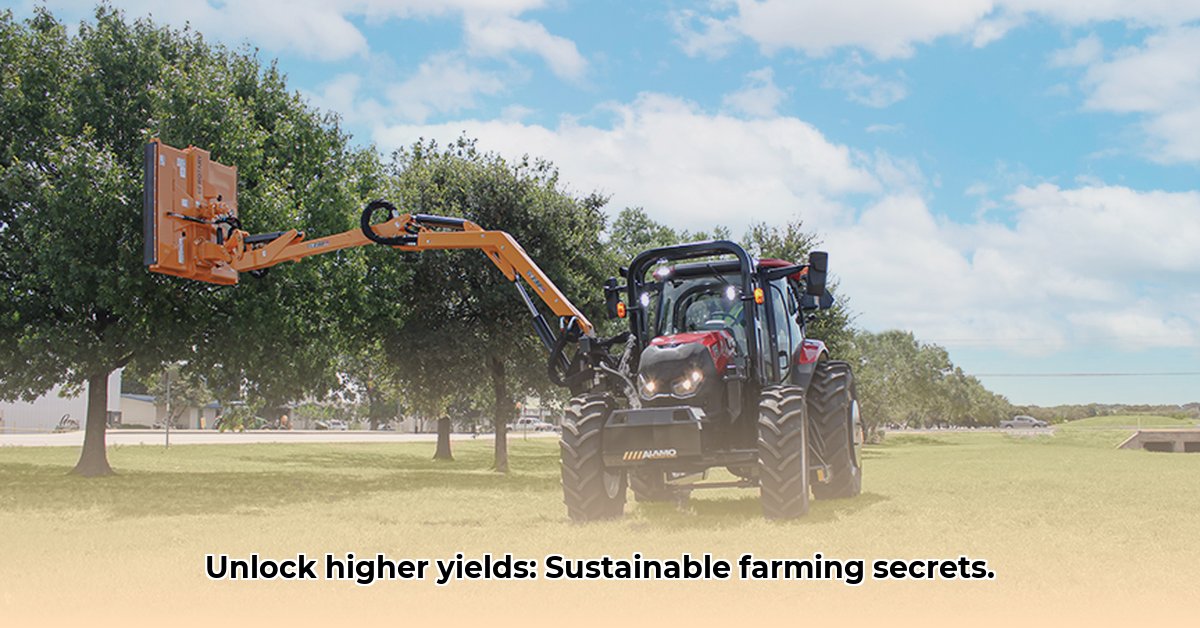
Understanding Your Boom Tractor: The Precision Powerhouse
Boom tractors represent a significant advancement in agricultural technology, offering unparalleled precision in applying fertilizers, pesticides, herbicides, and water. Unlike traditional methods, boom tractors utilize a long, extending arm ("boom") to target inputs precisely where needed, minimizing waste and maximizing efficiency. This targeted application is crucial for sustainable agriculture, allowing farmers to optimize resource use and reduce environmental impact. The precision of a boom tractor directly translates to better yields and reduced operating costs – a win-win situation. For more information on agricultural machinery, check out this helpful resource: tractor information.
Optimizing Boom Tractor Use for Sustainable Practices: Less is More
Sustainable farming emphasizes resource efficiency. Boom tractors are perfectly aligned with this philosophy, enabling targeted input application. This precision significantly reduces the amount of chemicals or fertilizers required to achieve desired results, leading to several key advantages:
- Reduced Environmental Impact: Minimized chemical runoff protects waterways, preserves water quality, and safeguards beneficial insects and other vital parts of the ecosystem.
- Lower Input Costs: Less product means reduced expenditure. This cost savings contributes directly to the farm's profitability.
- Improved Crop Health: Targeted application ensures that inputs reach where they're needed most, contributing to healthier and higher-yielding crops.
A well-planned implementation of boom tractor technology is a cornerstone of environmentally conscious and financially successful farming.
Choosing the Right Boom Tractor: Finding Your Perfect Fit
Selecting the ideal boom tractor requires careful consideration of several key factors:
Boom Length: Longer booms cover more ground per pass, increasing efficiency. However, excessive length can hinder maneuverability in smaller fields or around obstacles. Assess your field sizes to determine optimal boom length.
Tank Capacity: Larger tanks reduce refill frequency, boosting productivity. However, increased tank size adds weight, potentially affecting fuel efficiency and maneuverability. Weigh the benefits against potential drawbacks based on your workload.
Spray Nozzle Type: Nozzle selection impacts application accuracy and evenness. Different nozzles create varied spray patterns crucial for minimizing drift and ensuring optimal coverage. Choosing the right nozzle is essential for maximizing effectiveness while minimizing environmental impact.
GPS Integration: GPS-guided boom tractors offer enhanced precision by avoiding overlaps and gaps in application. This technology optimizes resource utilization and ensures maximum impact from each application.
Pump Capacity and Pressure: Ensure the pump can deliver sufficient pressure and volume to achieve the desired spray pattern and coverage, particularly important when dealing with viscous fluids or larger areas.
Maintaining Your Boom Tractor: Keeping It Running Smoothly
Regular maintenance is essential for prolonging the lifespan and ensuring the efficient, safe functionality of your boom tractor. A comprehensive maintenance routine includes:
Thorough Cleaning: After each use, thoroughly clean the boom and tank to prevent corrosion and clogging. This simple step prevents long-term damage and maintains optimal functionality.
Hose Inspection: Regularly inspect hoses and connections for leaks. Timely detection and repair of leaks prevent major issues and reduces the risk of downtime or costly repairs.
Lubrication of Moving Parts: Maintain proper lubrication of all moving parts to minimize wear and tear. This practice significantly extends the tractor's lifespan and reduces the need for expensive repairs.
Following the Manufacturer's Schedule: Adhere to the manufacturer's recommended maintenance schedule for optimal performance and longevity.
Safety is paramount: Always wear appropriate safety gear (eye protection, gloves, sturdy footwear) when operating the boom tractor. Never operate the machine when fatigued or under the influence of alcohol or drugs.
The Economics and Environmental Impact: A Sustainable Investment
Boom tractors offer a strong return on investment (ROI) through increased efficiency and reduced input costs. Beyond financial benefits, they significantly reduce the environmental impact of farming. The precise application of inputs leads to:
Lower chemical runoff, protecting water resources. Reduced pesticide use, benefiting beneficial insects and other organisms within the ecosystem. *Increased overall sustainability of the farm operation.
Comparing Boom Tractors to Other Methods: Weighing the Options
While traditional spraying methods offer lower initial costs, they lack the precision of boom tractors, leading to higher operating costs and a larger environmental footprint. The below table provides a comparison:
| Method | Initial Cost | Operating Cost | Precision | Environmental Impact | Labor Requirements |
|---|---|---|---|---|---|
| Traditional Spraying | Low | High | Low | High | High |
| Boom Tractor | High | Moderate | High | Low | Moderate |
The optimal choice depends on farm size, budget, and long-term goals. Larger operations often benefit from the efficiency and precision of boom tractors, while smaller farms may find traditional methods adequate.
Case Study: Real-World Results
Farmers using boom tractors report significant increases in efficiency and reductions in resource use. For example, one farmer witnessed a 15% reduction in herbicide application without negatively impacting yields, resulting in cost savings and a reduced environmental footprint. These results highlight the potential for significant improvements through precise application techniques.
Conclusion: Investing in a Sustainable Future
Boom tractors are a valuable investment for farmers prioritizing sustainable practices. The combination of increased efficiency, reduced waste, and minimized environmental impact contributes to both greater profitability and environmental responsibility. This technology enables farmers to "grow more with less," protecting the environment while maintaining a successful and thriving operation. The benefits extend beyond the immediate farm, contributing to a healthier and more sustainable future for agriculture.